
Dark marks & pigmentation
· TryRevora
Start here
-
I got interested in pigmentation because skincare conversations can make dark marks sound like one simple problem with one universal fix. The reality is more complicated: marks can have different causes, and what helps depends on what is actually going on.
What a dark mark might be
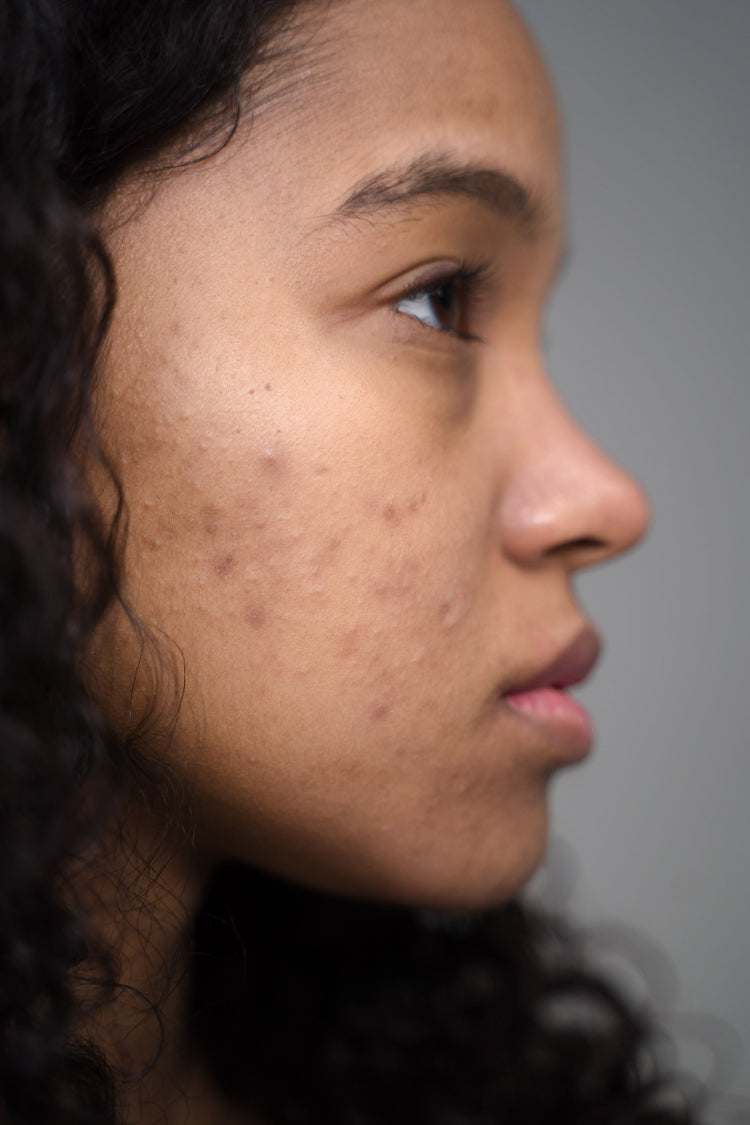
Dark or grey marks can remain after spots, eczema, irritation or another skin injury. This is often called post-inflammatory hyperpigmentation (PIH). Melasma is a different condition that usually causes brown or grey patches, often on the face. Similar-looking marks can have different causes, so a new, changing or unexplained patch may need a clinician’s assessment.
Start by reducing new irritation
Where possible, manage the acne or irritation that is causing new marks. Picking and harsh scrubbing can injure skin and increase the chance of lasting marks. If a product burns or causes persistent irritation, I would stop using it and ask for advice if the reaction does not settle.
Protect exposed skin
Sunlight can make some pigmentary changes darker. Use sun protection that you can apply consistently, alongside shade and clothing. The British Association of Dermatologists advises at least SPF 30 for melasma; DermNet recommends daily broad-spectrum SPF 50+ for post-inflammatory hyperpigmentation on exposed skin. Reapply sunscreen as directed when outdoors.
My perspective on “brightening” claims
I try not to treat every dark mark as the same thing or assume a stronger product will work faster. Strong lightening products, peels and lasers can irritate skin and sometimes worsen pigmentation. A GP or dermatologist can help identify the cause and discuss suitable options, particularly if the marks are persistent or worrying.
Trusted sources
- DermNet: Post-inflammatory hyperpigmentation
- British Association of Dermatologists: Melasma
- British Association of Dermatologists: Skin of colour
Try Revora shares general skincare information and personal perspective. It is not a medical service and cannot diagnose or replace advice from a healthcare professional.